

 Facebook
 X
X
 Pinterest
 Copy Link
Just Listed: Beachside Key West Unit 215 – Dual Income Potential in Paradise
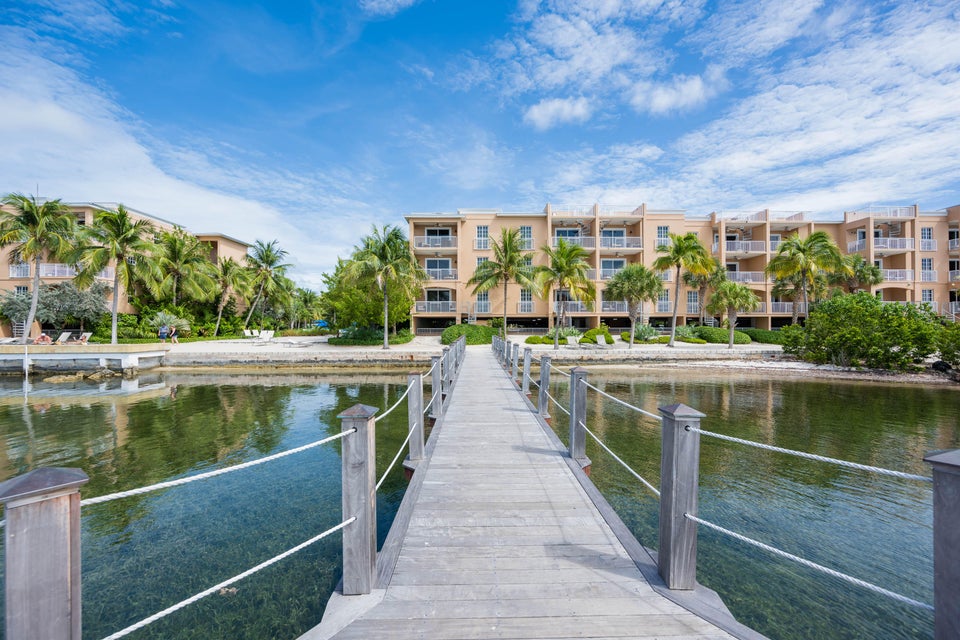
I’m excited to introduce Unit 215 at Beachside Key West, a rare opportunity to own a fully furnished, resort-style condominium with two separate transient rental licenses—making it an ideal investment or vacation home with serious income potential.
This spacious and versatile unit is designed for both luxury living and flexibility. It can be used as one large residence or split into two rentable suites, each with private entrances and their own transient rental license. That’s right—two units, two income streams, all under one roof.
🏝️ Why Unit 215 Stands Out:
-
2 Transient Licenses – Legally rent each side nightly/weekly
-
Split Floor Plan – Use one side, rent the other, or rent both
-
Turnkey Furnished – Impeccably decorated and move-in ready
-
Private Balcony – Perfect for morning coffee or evening cocktails
-
Gourmet Kitchen & Spa-like Baths – Thoughtfully upgraded throughout
🌞 Beachside Resort Amenities Include:
-
Oceanfront pool & hot tub
-
Private beach access
-
On-site restaurant, bar & room service
-
Concierge & front desk services
-
Fitness center, spa, and beautifully landscaped tropical grounds
Located just minutes from the excitement of Old Town Key West yet tucked away in a serene beachfront setting, Unit 215 offers the best of both worlds—resort relaxation and strong rental returns.
📍 Beachside Key West – Unit 215
💲 Offered at $875,000
Click here to view more photos and for full listing information
Are We Seeing a Shift in the Florida Keys Real Estate Market?

For years, the Florida Keys real estate market has followed predictable seasonal trends, with the winter and early spring months bringing an influx of new listings as sellers look to take advantage of high demand. However, this year, something feels a little different.
If you’ve been watching the market closely, you may have noticed that the number of new listings coming on each week seems lower than in past years. Last week, for example, only 61 new listings came on the market—an indicator that inventory growth may be slowing. This shift raises the question: Is the Florida Keys market beginning to change?
A Market in Transition
While we’re not in full-fledged seller’s market territory yet, there are signs that the market is adjusting. Inventory levels remain relatively healthy, meaning buyers still have options, but the reduced flow of new listings could indicate a tightening market on the horizon.
Historically, our selling season brings a steady stream of properties hitting the market, providing buyers with ample choices. But with fewer new listings available, well-priced homes are attracting interest more quickly. This doesn’t mean buyers are losing out, but it does suggest that we may be moving toward a market where sellers have a bit more leverage than before.
What Does This Mean for Buyers and Sellers?
For buyers, this means acting efficiently when a great property becomes available. While there are still plenty of options, hesitation could result in missing out on the right home. If this trend continues, we may see increased competition among buyers, especially for move-in-ready homes in desirable locations.
For sellers, this could be an opportune time to list. If fewer homes are coming to market, well-positioned properties may receive more attention from serious buyers. Even though we aren’t experiencing extreme market pressure yet, those considering selling should stay ahead of potential shifts and list before conditions change further.
Keeping an Eye on the Market
As always, real estate is local, and what’s happening in the Keys might not match broader market trends. I’ll be closely monitoring inventory levels, buyer activity, and pricing trends to keep you informed. If you’re thinking about buying or selling, now is the time to stay informed and strategize accordingly.
If you’d like to discuss how these shifts might impact your plans, feel free to reach out. The Florida Keys market is always evolving, and I’m here to help you navigate it.
Click here to see the listings that came on the market last week.
Florida Real Estate and Rising Insurance Costs: What Homeowners Need to Know
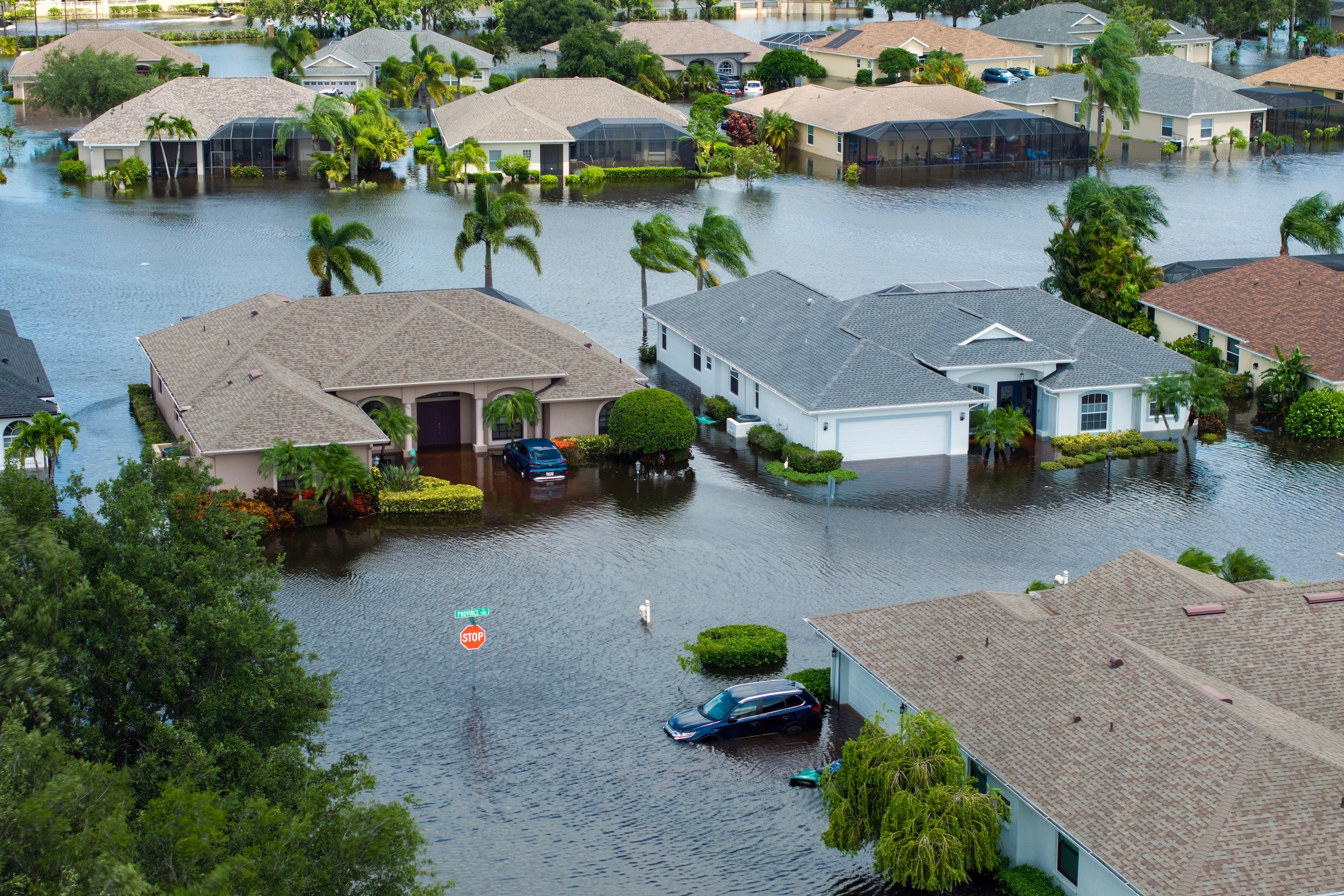
Home insurance costs in Florida are skyrocketing, creating major challenges for homeowners and buyers alike. As insurance rates climb, they impact affordability, property values, and the overall housing market.
Why Are Insurance Rates So High?
Florida homeowners now pay an average of $5,531 per year for $300,000 in dwelling coverage—142% higher than the national average. This sharp increase is due to several factors: more frequent hurricanes, rising construction costs, and a surge in insurance claims. Simply put, insurers are charging more to offset growing risks.
How Does This Affect Housing Affordability?
Higher insurance premiums mean bigger monthly payments. For many buyers, this reduces how much home they can afford. First-time buyers and retirees on fixed incomes are hit the hardest. Some may delay buying altogether, while others might settle for a less expensive home just to keep costs manageable.
Will Home Values Be Affected?
Yes, and that’s a concern. If high insurance costs make homeownership less attractive, demand could drop. This might lead to lower property values, especially in areas most at risk for hurricanes. Homeowners who owe more than their home is worth may struggle to sell or refinance.
What’s Being Done to Help?
Florida lawmakers are considering solutions. Some have proposed cutting property taxes to ease financial pressure. Others are pushing for insurance reforms to bring costs down. However, these ideas face challenges, especially when it comes to funding state services.
What’s Next for Florida Homeowners?
While some homeowners may see smaller-than-expected rate hikes, high insurance costs will remain an issue. Staying informed and exploring legislative changes will be key. Buyers and sellers alike should factor in insurance costs when making real estate decisions.
Island Living at Its Best: Stunning Canal-Front Home with Pool, Dockage, and Storm-Resistant Concrete Construction in Islamorada
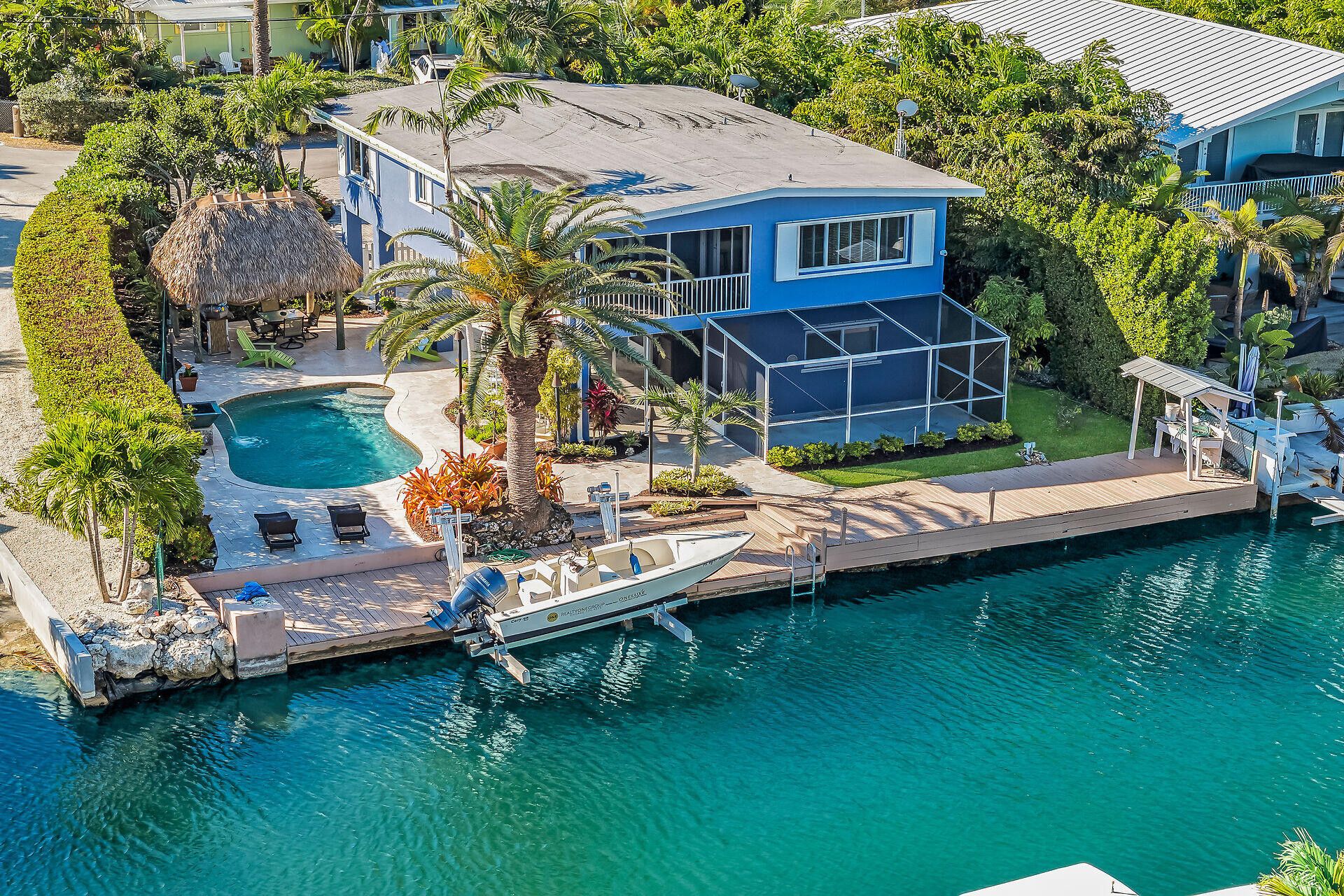
Located in the highly sought-after Indian Waterways subdivision in Islamorada, Florida, 254 Navajo Street offers the ultimate in Florida Keys living. Situated on a free-flowing canal just off the Bay of America, this home is only a short ride to the Ocean via Tavernier Creek or Snake Creek. Whether you enjoy fishing, diving, or paddleboarding, it’s all right at your doorstep!
This all-concrete construction home features two spacious bedrooms and two bathrooms upstairs, with an additional bedroom and bathroom downstairs. The open-concept living area upstairs is perfect for gathering with family and friends. The kitchen boasts stainless steel appliances and sleek granite countertops, ideal for preparing meals while enjoying the stunning surroundings.
Step outside and you’ll find a private backyard oasis, complete with a sparkling pool, water and fire features, making it the perfect space for entertaining or simply unwinding in style. With 78 feet of dockage and a boat lift, this canal-front home is a dream for boating enthusiasts. Additionally, the property includes a shaft that’s ready for elevator installation, offering convenience for future updates.
Constructed with all concrete materials and impact resistant windows and doors, this home offers added protection and durability, making it more storm-resistant in the face of hurricanes and tropical storms—a great peace of mind for Florida Keys living.
The location is unbeatable, with easy access to the ocean and nearby amenities. This home is truly a slice of paradise, offering both comfort and convenience. Plus, it’s pet-friendly, making it a perfect place for your furry friends too!
Don’t miss the opportunity to see this gem for yourself. Come and make this beautiful home your own! Click here to see photos and more details.
Featured listing courtesy of Judy Rossignol of Realty One Group Engage the Keys
71 New Listings in the Florida Keys Last Week – What’s Holding Some Sellers Back?
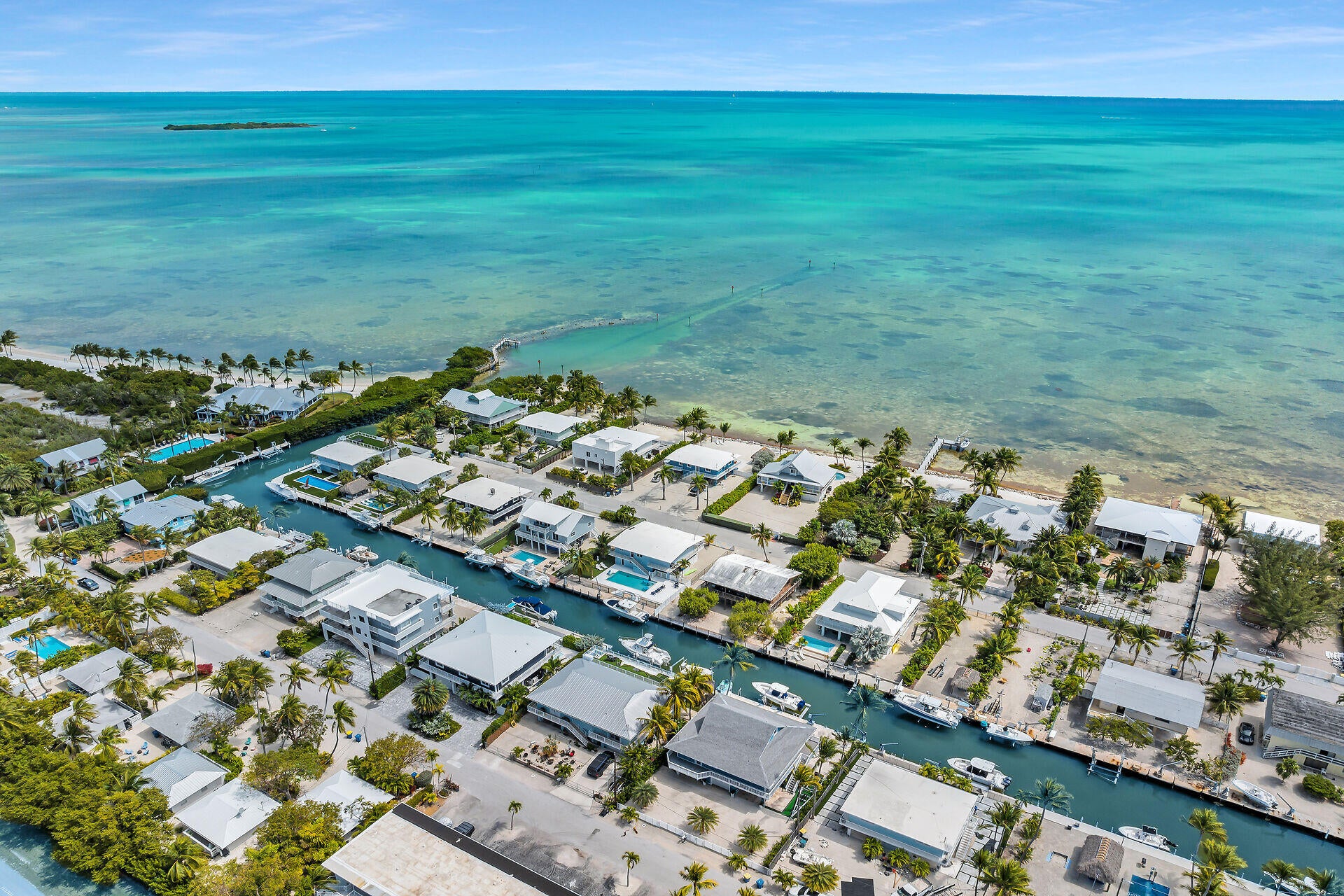
Last week, 71 new real estate listings hit the market in the Florida Keys. While that’s still a solid number, it’s slightly lower than in previous weeks—especially considering we’re in the middle of our peak selling season.
So, why might some homeowners be hesitant to list right now? A few key factors could be at play:
1. Mortgage Rate Lock-In Effect
Many homeowners secured low-interest rates during the past few years. With today’s mortgage rates significantly higher, sellers may be reluctant to trade their current home for one with a much higher borrowing cost. This “rate lock-in” effect is a major factor keeping inventory tight.
2. Market Uncertainty
While demand for Florida Keys properties remains strong, some sellers are cautious about the broader economic landscape. Concerns about inflation, rising insurance costs, and general economic uncertainty may be leading homeowners to delay listing until they feel more confident in market conditions.
3. Seasonal Rental Income Considerations
Many Keys homeowners use their properties as vacation rentals, especially during the high season. Listing a home now could mean missing out on lucrative seasonal rental income. Some owners may prefer to wait until the off-season when rental demand slows down.
4. Supply & Demand Strategy
With fewer homes on the market, sellers may believe they can command a higher price by waiting for an even lower inventory period. However, this strategy carries risks—buyers today are still actively searching, and interest rate fluctuations could impact affordability in the future.
5. Emotional Ties to the Property
For many, selling a home in the Florida Keys isn’t just a financial decision—it’s an emotional one. Longtime owners, particularly those with second homes, may struggle with the idea of letting go, even if market conditions are favorable.
What This Means for Buyers & Sellers
While inventory remains lower than expected, motivated sellers still have an opportunity to attract serious buyers. If you’re considering selling, now is a great time to take advantage of strong demand. And for buyers, staying proactive and working with a knowledgeable local agent is key to securing the right home in this competitive market.
If you’re thinking about buying or selling in the Florida Keys, let’s talk! I’ve been helping clients navigate this unique market for over 30 years. Contact me anytime to discuss your real estate goals.
New Construction Homes in the Florida Keys: Modern, Strong, and Built to Last

Buying a home in the Florida Keys is an exciting step toward island living. While older homes offer charm, new construction homes come with major advantages. They follow stronger building codes, offer modern features, and require less maintenance, making them a smart investment for homeowners.
Why Choose a New Construction Home?
New homes in the Florida Keys stand stronger and safer than older ones. Florida’s updated hurricane-resistant building codes ensure new homes can withstand high winds and storm surges. Builders use impact-resistant windows, reinforced roofs, and elevated foundations to protect against extreme weather. As a result, homeowners feel more securewhen storms roll in.
Top Benefits of a New Home
🏡 Stronger Construction – Modern building codes require storm-resistant features, including impact windows, reinforced walls, and elevated foundations, reducing storm damage risks.
💰 Lower Insurance Costs – Because new homes meet strict safety standards, insurance companies often offer lower premiums, which saves homeowners money over time.
⚡ Better Energy Efficiency – Advanced insulation, high-efficiency HVAC systems, and smart technology help reduce energy bills, making homes more comfortable and affordable to maintain.
🔧 Minimal Maintenance – Everything is brand new, from the plumbing to the roof. That means fewer unexpected repairs and less time worrying about costly fixes.
🎨 Modern Design & Features – New homes come with open layouts, high-end appliances, and stylish finishes, making them both functional and beautiful.
Where to Find New Homes in the Florida Keys
New construction homes are popping up across the Upper, Middle, and Lower Keys. In Key Largo, Islamorada, Marathon, and Big Pine Key, buyers can find homes with waterfront access, private docks, and luxury finishes. Some communities offer gated security, while others provide custom-built island retreats tailored to the owner’s vision.
Ready to Make the Move?
A brand-new home in the Florida Keys offers peace of mind, energy efficiency, and storm protection. Whether you’re searching for a vacation escape or a full-time residence, choosing a new construction home makes island living more enjoyable and worry-free.
Looking for the perfect new home in the Florida Keys? Let’s connect and start your search today! 🌴🏡☀️ #FloridaKeysHomes #NewConstruction #IslandLiving
Indian Key: A Forgotten Piece of Florida Keys History
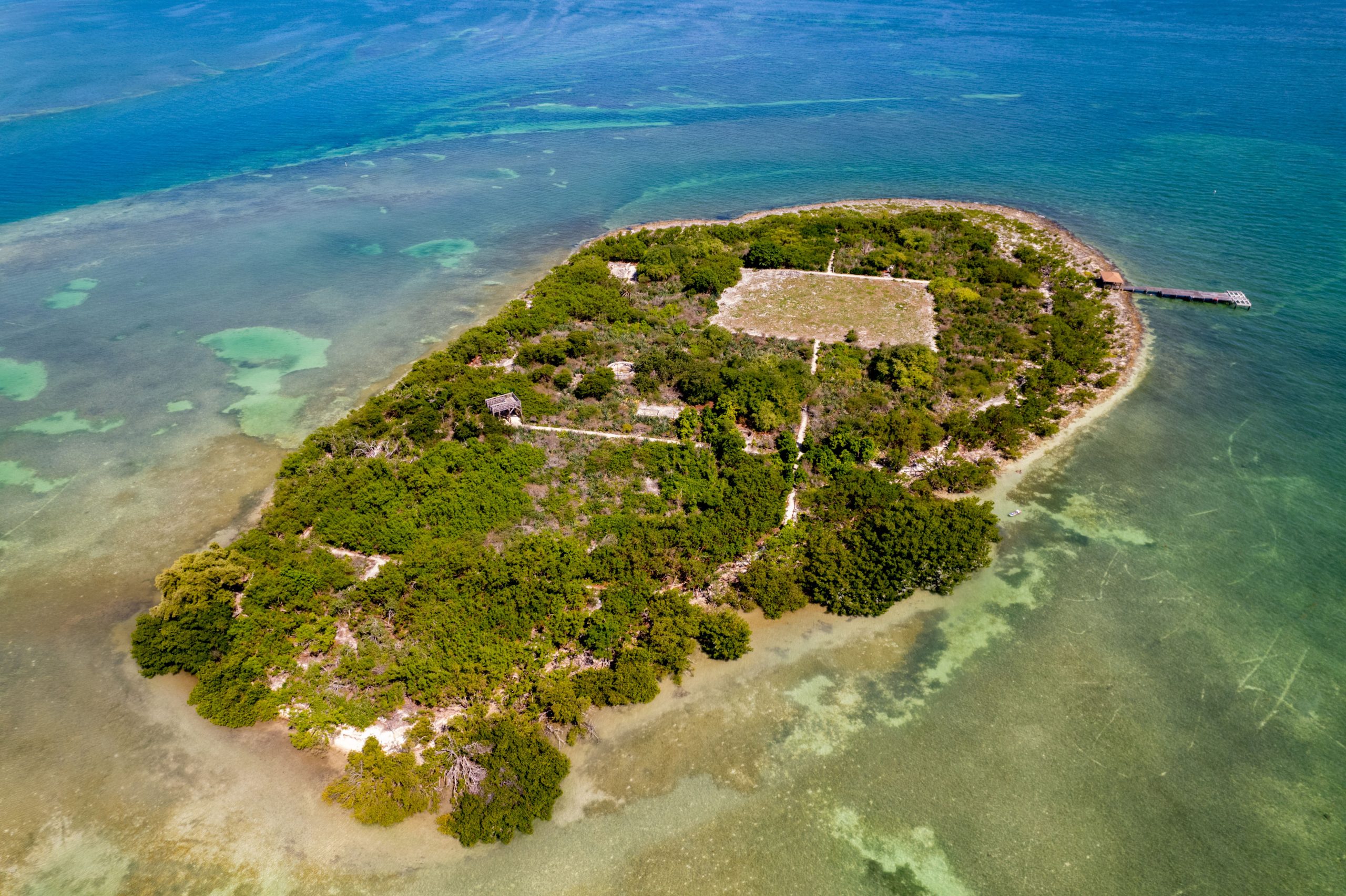
Just off the coast of Islamorada, Indian Key is a small island with a big history. Though now part of Monroe County, it was once associated with Miami-Dade County. Today, the island sits quiet and uninhabited, but nearly 200 years ago, it was a thriving community full of life and business.
A Bustling Island in the 1800s
In the early 19th century, Indian Key was far from deserted. It became a center for wrecking, a profitable industry where people salvaged cargo from ships that crashed on the reefs. At that time, Key West dominated the wrecking business, but one ambitious businessman, Jacob Housman, had other plans.
In the 1830s, Housman purchased Indian Key and worked to turn it into a successful wrecking port. He built homes, stores, warehouses, and even a hotel. To gain more control over his operations, he pushed to separate the island from Monroe County. His efforts paid off, and in 1836, Indian Key became part of Miami-Dade County instead.
A Devastating Attack Changes Everything
Unfortunately, Indian Key’s success did not last. The Second Seminole War brought violence to the Florida frontier. On August 7, 1840, disaster struck when a group of Seminoles attacked the island. They burned buildings, destroyed businesses, and killed several residents. Those who survived fled for their lives.
After the attack, Indian Key was never the same. Over time, it was abandoned, and control of the island returned to Monroe County. The once-thriving community faded into history.
Indian Key Today: A Quiet Reminder of the Past
Now part of Indian Key Historic State Park, the island is a fascinating place to explore. The only way to get there is by boat or kayak, making it feel like a hidden treasure. Visitors can walk the old streets, see the ruins, and imagine life in its prime.
While Indian Key is no longer part of Miami-Dade County, its rich history lives on. From a booming trade hub to a ghost island, it remains an important part of the Florida Keys story.
Have you ever visited Indian Key? 🌴🏝 #FloridaKeys #IndianKey #History
Big Pine Key: A Unique Paradise in the Florida Keys

Big Pine Key is a peaceful, nature-filled escape in the Lower Keys. Just 30 miles from Key West, it offers a laid-back island vibe while staying close to the action. Known for its unique wildlife, stunning landscapes, and rich history, this island is a must-visit for nature lovers and adventurers.
Meet the Famous Key Deer
Big Pine Key is home to the endangered Key deer, a smaller subspecies of the white-tailed deer. These gentle creatures roam freely throughout the island, especially in the National Key Deer Refuge, a 9,200-acre protected area established to protect their habitat.
Visitors often spot Key deer near roads or in residential areas. Since they’re most active at dawn and dusk, it’s important to drive carefully on U.S. 1.
A Haven for Nature Lovers
Beyond the Key deer, Big Pine Key is filled with diverse ecosystems and outdoor adventures. Some top spots include:
🌿 National Key Deer Refuge – Explore scenic trails and see native wildlife.
🏝 Blue Hole – A freshwater oasis attracting alligators, turtles, and birds.
🌊 Great White Heron National Wildlife Refuge – A kayaking and birdwatching paradise.
🐠 Looe Key Reef – A stunning coral reef with world-class snorkeling and diving.
With its mix of land and water adventures, Big Pine Key is a dream for anyone who loves the outdoors.
No Name Pub: A Legendary Keys Watering Hole
No trip to Big Pine Key is complete without a visit to the iconic No Name Pub. Hidden away on No Name Key, this historic spot dates back to the 1930s, originally serving as a general store and bait shop. By the 1940s, it transformed into a bar and restaurant, becoming a beloved local hangout.
Today, the pub is famous for its walls and ceiling covered in thousands of dollar bills left by visitors. Along with its quirky atmosphere, it’s known for amazing pizza, cold drinks, and a relaxed island vibe.
Close to Key West but Worlds Apart
Big Pine Key offers serene island living with easy access to Key West. A quick 40-minute drive on the Overseas Highway brings you to the vibrant nightlife, historic sites, and famous sunsets of Mallory Square. Here, you can enjoy all the energy of Key West while returning to peace and quiet at the end of the day.
Whether you’re looking for a nature escape, a historic hideaway, or a home in paradise, Big Pine Key has it all. 🌴🌊🦌
Thinking about owning a piece of the Keys? Let’s connect and explore the possibilities! 🔑🏡
The Lignum Vitae: A Florida Keys Treasure
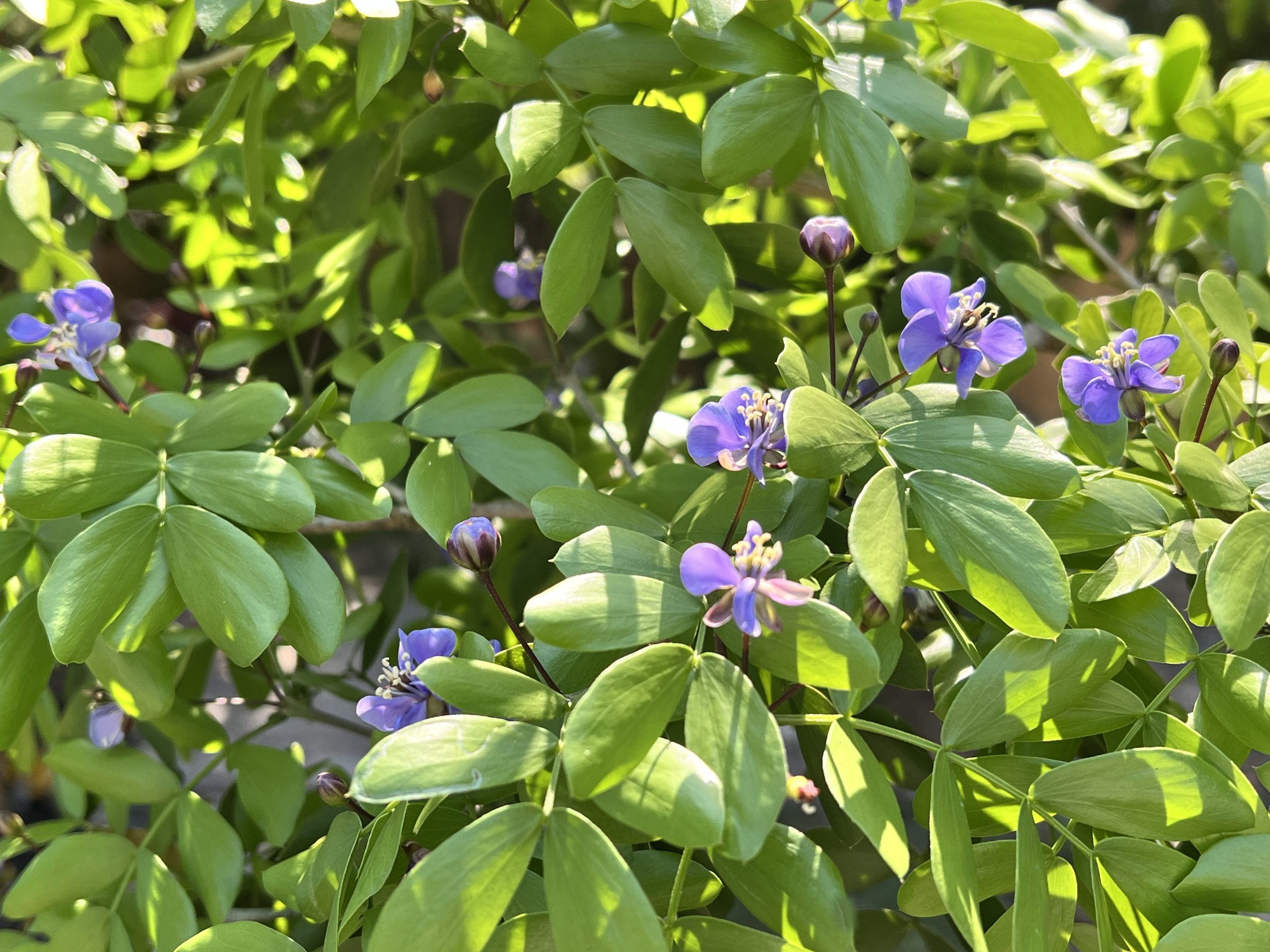
The lignum vitae tree is a true gem of the Florida Keys. Known as the “tree of life,” it has a rich history and many unique qualities.
A Tough and Beautiful Tree
Lignum vitae means “wood of life” in Latin. Not only is its wood incredibly dense and durable, but it’s also so tough that it doesn’t float! Because of this, it became highly valuable for ship parts, including propeller bearings and pulley blocks. Additionally, its natural oils make it self-lubricating, which made it ideal for industrial use.
Growth and Characteristics
When it comes to growth, lignum vitae trees take their time. They grow slowly, often requiring decades to reach full maturity. Typically, they reach between 20 to 30 feet tall, though some remain smaller. Their evergreen leaves provide dense shade, while their deep roots help them withstand powerful storms.
Another remarkable feature is their flowers. In the spring, small blue blossoms cover the tree, attracting bees and butterflies. Later, these flowers give way to small, orange fruits, which provide a food source for local wildlife.
Deep Roots in the Florida Keys
For centuries, the lignum vitae tree has played an important role in the Florida Keys. It thrives in the region’s subtropical climate, making it a natural part of the landscape. Early settlers quickly recognized its value, using the wood for tools, furniture, and even medicinal purposes. In fact, its resin was once believed to help treat arthritis and other ailments. Today, the tree stands as a symbol of resilience and history.
Lignumvitae Key Botanical State Park
One of the best places to see these incredible trees in their natural habitat is Lignumvitae Key Botanical State Park, located off Islamorada. This secluded island is home to a pristine tropical hardwood hammock, where lignum vitae trees grow alongside other native species.
The island’s history is just as fascinating as the trees themselves. In the early 1900s, Miami chemist William J. Matheson purchased the land and built a home there. Today, his historic residence still stands, serving as a visitor center where guests can learn about the island’s unique ecosystem.
However, visiting this special place requires a bit of planning. Since the park is only accessible by boat or kayak, visitors must make the short journey across the water. Once there, they can explore scenic nature trails, learn about native plants, and experience the untouched beauty of the Florida Keys.
A Protected Species
Unfortunately, due to overharvesting, lignum vitae trees have become rare. As a result, they are now protected in Florida, making them a truly special sight in any backyard.
So, if you happen to have one growing, consider yourself lucky! These trees are not only a living piece of Florida Keys history but also a testament to strength and endurance. With their slow growth, incredible durability, and natural beauty, they remain one of the most remarkable trees in the world.
Florida Keys Real Estate Update: 32 Homes Sold Last Week!
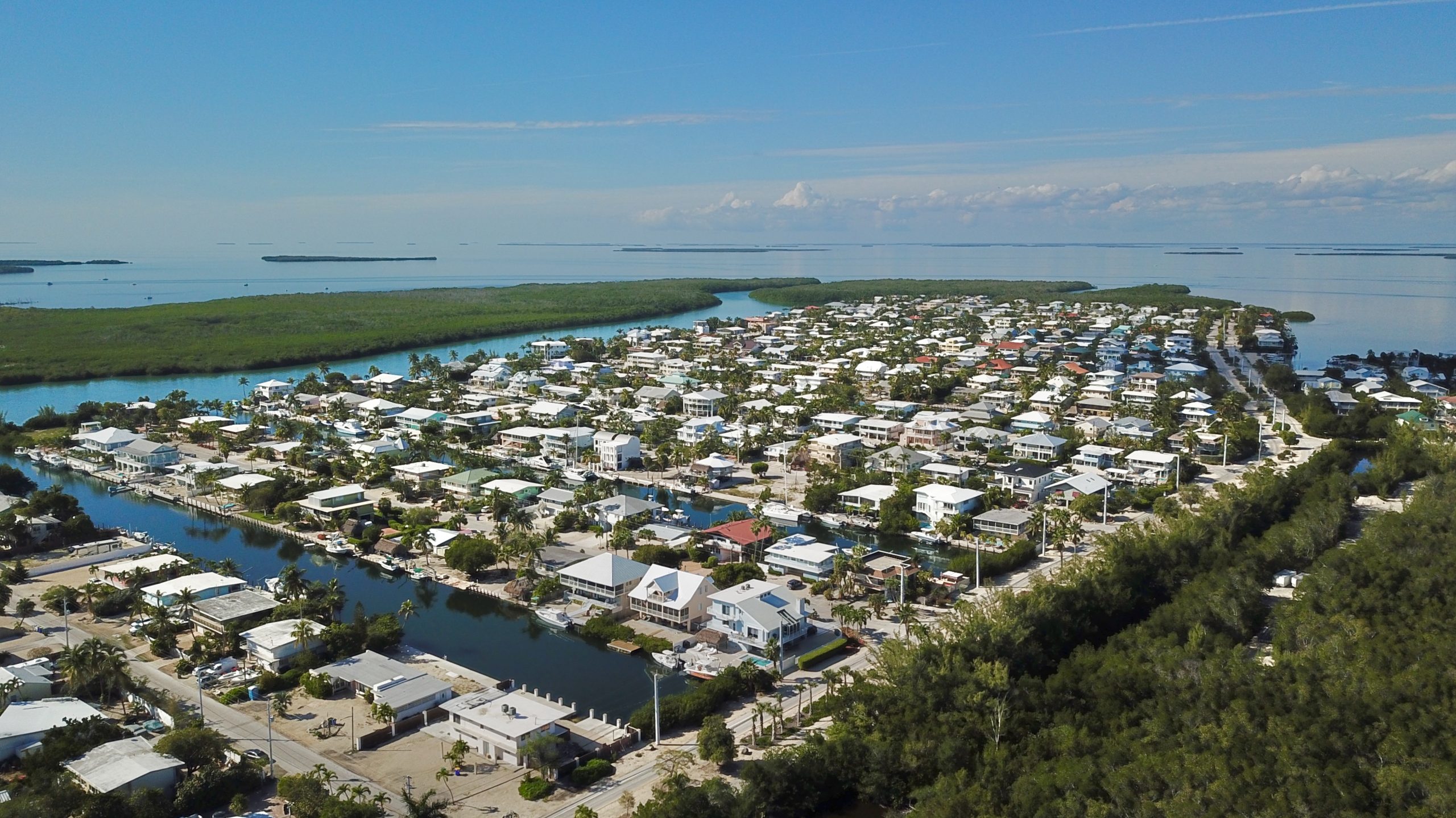
The Florida Keys real estate market remains strong, with 32 properties sold between March 3 and March 9. These homes ranged in price from $246,000 to $3,675,000, showcasing the incredible variety available for buyers. Whether you’re searching for a quaint Conch cottage or an awe-inspiring oceanfront estate, there’s no shortage of beautiful properties in the Keys.
A Home for Every Lifestyle
One of the best things about buying in the Florida Keys is the diverse selection of home styles. Some buyers gravitate toward the charm and history of Conch cottages, while others prefer modern residences with open-water views and private docks. This past week, sales included everything from cozy retreats tucked away in quiet neighborhoods to expansive estates offering breathtaking sunset views and resort-style pools.
A Smart Investment Opportunity
Beyond being a dream place to live, owning a home in the Florida Keys also presents a great investment opportunity. Many homeowners choose to rent out their properties when they’re not using them full-time, taking advantage of the high demand for vacation rentals. With the Keys being a world-famous travel destination, short-term and seasonal rentals can provide an excellent way to offset ownership costs while still having a getaway of your own.
Now is the Time to Buy or Sell
We are currently in the prime buying and selling season, with tourists flocking to the Keys. Many of these tourists fall in love with the lifestyle and consider making it a permanent or part-time home. If you’ve been thinking about selling, this is a great time to list your property, as demand remains high. And if you’re in the market to buy, keeping an eye on new listings is key to finding the perfect home before it’s gone.
With a thriving market, diverse housing options, and the flexibility of rental income potential, the Florida Keys continue to be one of the best places to invest in real estate.
📩 Thinking about buying or selling? Let’s connect and make your island dream a reality! 🌴🏡


