

 Facebook
 X
X
 Pinterest
 Copy Link
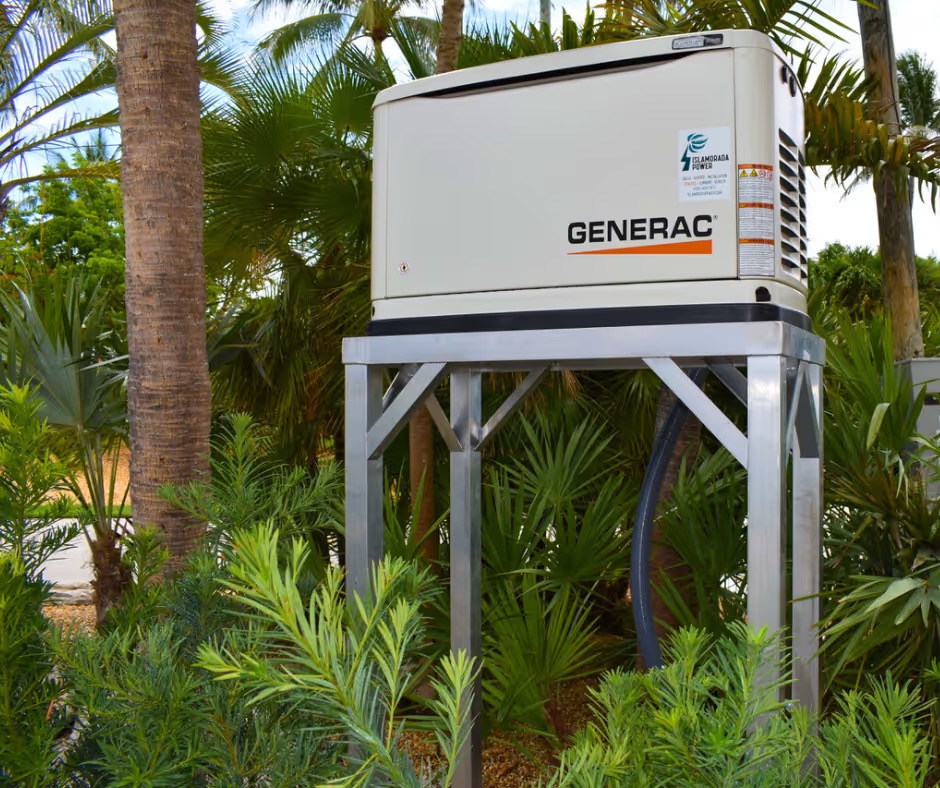
If you moved to the Florida Keys in the before times—say, the late 1980s—you remember what the power situation was like. When I first arrived in 1987, the Keys were infamous for regular outages. We didn’t panic, we didn’t complain… we just lit a candle, opened a window, and reminded ourselves that “life in paradise” sometimes came with a few flickers.
Today’s power grid is a whole lot stronger and far more reliable, but that doesn’t mean the lights never go out. Far from it. Down here, we live on one long, skinny extension cord stretching from the mainland. That alone makes us a little… delicate.
And while tropical storms and hurricanes are the obvious culprits when the power drops, they’re certainly not the only ones. In the Keys, outages can be caused by:
-
Mylar balloons drifting into power lines (yes, really)
-
Salt corrosion slowly chewing away at equipment
-
Boats hitting lines—a very “only in the Keys” problem
-
Vegetation doing what vegetation does
-
Buried equipment failure like switches, cables, and transformers
-
Planned maintenance, usually at the least convenient moment
-
Or sometimes… who knows? It’s the Keys. Things happen.
Why a Standby Generator Is Practically a Necessity Here
A standby generator isn’t just a luxury—it’s practically a survival tool here in the subtropics. Here’s why it matters in the Florida Keys:
-
Uninterrupted Power Supply: Keep your essential appliances and systems running during blackouts (yes, including that all-important A/C).
-
Protection Against Power Surges: Safeguard your electronics from the surprise voltage spikes that often follow an outage.
-
Cost Savings: Avoid losses from spoiled food, business downtime, and damaged equipment.
-
Increased Property Value: A professionally installed standby generator can actually boost your home’s resale value. Appraisers know what August feels like here too.
Add in our unique power-feed situation, and it’s easy to see why so many residents consider backup power part of their storm-prep checklist—not a luxury item.
A Trusted Local Resource: Islamorada Power
We’re lucky here in the Keys to have knowledgeable local companies who understand our quirks, including Islamorada Power. With more than a decade of experience working across the entire island chain, they provide reliable generator installation and service for homes and businesses alike.
What sets them apart is simple: they’re part of the community. They understand salt, storms, outages, and the fact that sometimes Mylar balloons have better aim than they should. Their values—reliability, integrity, customer satisfaction, and community service—show up in their work, without feeling like a sales pitch.
What’s Involved: The Permitting Process
Installing a generator in Monroe County means navigating a short list of approvals, but nothing too intimidating:
-
Building Permit: Required for the concrete pad or anchoring system.
-
Electrical Permit: For connecting the transfer switch and wiring.
-
Gas/Propane Permit: If your generator runs on propane (most here do).
-
Setback Requirements: Generators must be placed a certain distance from property lines, windows, and doors.
-
Noise Restrictions: The Keys have decibel limits, so placement matters.
Many local installers—like the team at Islamorada Power—handle the permitting on your behalf, taking most of the stress out of the process.
What the Installation Looks Like
A standard whole-house generator installation usually includes:
-
Site evaluation – ensuring there’s space for a generator that meets setback and noise requirements.
-
Pouring the pad or installing the pre-manufactured base.
-
Positioning the generator and connecting it to propane or natural gas.
-
Installing a transfer switch so the system automatically kicks in when the power drops.
-
System testing – the fun part where the installer flips your power off on purpose and everyone pretends not to panic.
-
Final inspections from the county.
Typical timeframe? One to three weeks depending on permits, materials, and the ever-mysterious scheduling gods of the Keys.
What It Costs
For an average single-family home in the Keys, here’s a realistic price range:
-
Generator unit: $8,000–$15,000
-
Transfer switch & electrical work: $2,000–$5,000
-
Propane tank + gas plumbing: $2,000–$4,000
-
Concrete pad & installation labor: $1,500–$4,000
-
Permitting & inspections: $300–$800
Total typical investment: $14,000–$28,000
(Yes, it’s a chunk of change—basically the same price as a used flats boat—but the peace of mind during a multi-day outage is priceless.)
Final Thoughts: Peace of Mind in Paradise
The Keys may no longer be the flicker-and-fade electrical frontier of the 1980s, but outages still happen—and they tend to happen at the most inconvenient times. A whole-house generator isn’t just about comfort; it’s about protecting your home, your electronics, your food, your wallet, and your sanity.
And when you have a trusted local team like Islamorada Power nearby, navigating the process becomes a whole lot easier. You can learn more at IslamoradaPower.com or reach them at 305-504-7877.


