

 Facebook
 X
X
 Pinterest
 Copy Link
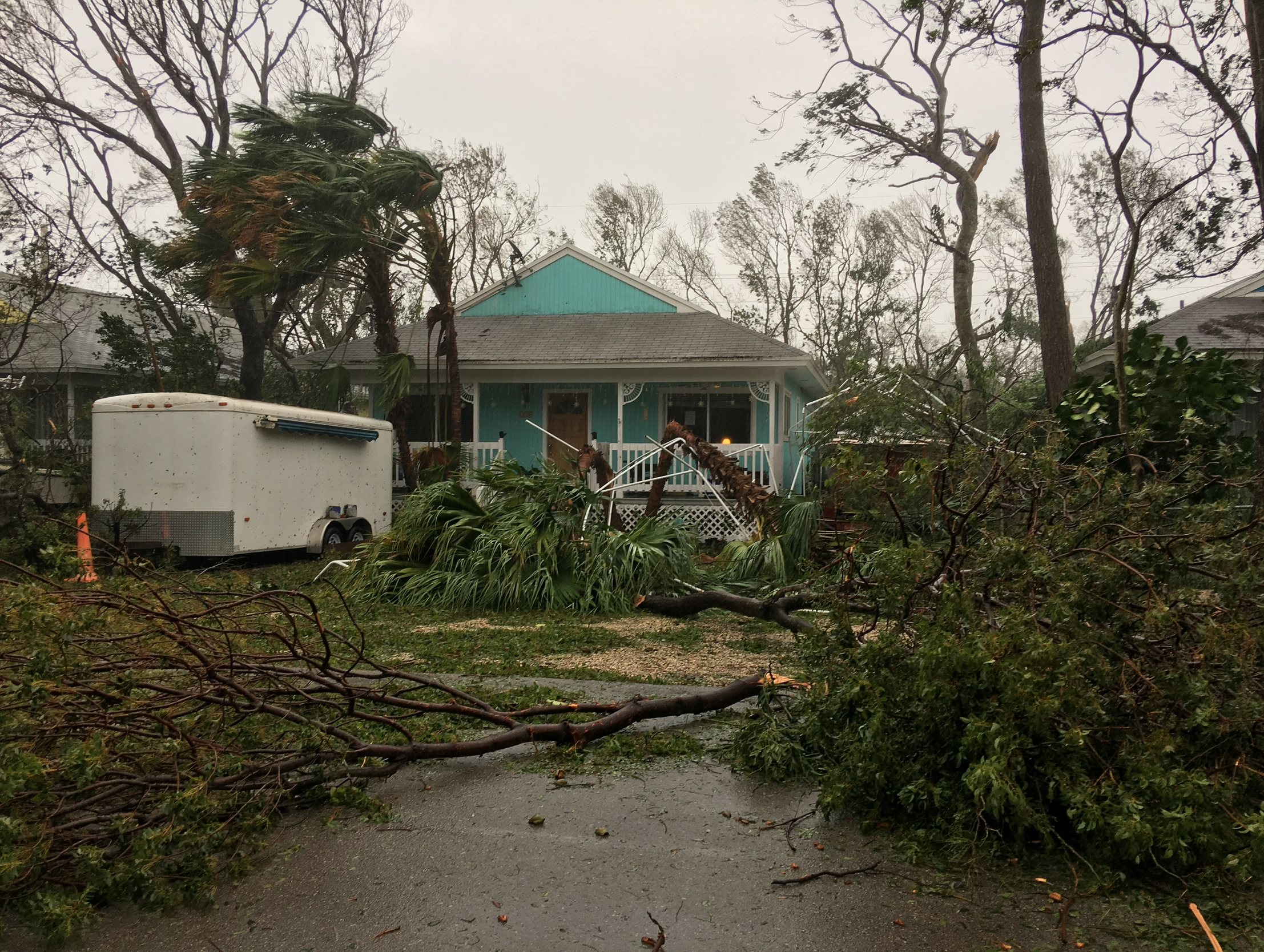
Insurance is one of the biggest expenses of owning a home in the Florida Keys. Because of that, more cash buyers are asking the million-dollar question:
“If I don’t have a mortgage, can I just skip homeowners insurance and save a ton of money?”
Technically, yes.
Should you?
Well… let’s talk before you try to “DIY” something usually handled by entire companies with legal departments.
What Does Self-Insuring Actually Mean?
Self-insuring simply means you pay for your own disasters.
You skip the insurance premium, pocket the cash, and if something goes wrong… congratulations, you are now also the claims department.
It’s a bold approach, like deciding you don’t need a seatbelt because you’re a really good driver.
The Possible Pros (AKA the Tempting Side of the Story)
1. More Buying Power
Without a big insurance bill, you may afford a nicer home. Maybe a canal-front place. Maybe one with a kitchen that doesn’t need “vision.”
It feels good. I get it.
2. No More Insurance Company Shenanigans
No random inspections. No “We’re not renewing your policy” letters.
No surprise rate increases that make you question your life choices.
3. You Keep the Savings—If the Universe Cooperates
If nothing bad happens, you keep all that premium money.
You might even feel like you outsmarted the system… until life reminds you it also has a sense of humor.
The Cons (AKA Why Insurance Companies Exist in the First Place)
1. One Storm Can Wipe Out Years of Savings
This is the part no one wants to think about.
A hurricane, a fire, or a leaking pipe that behaves like Old Faithful can rack up six-figure repair bills.
If you’re self-insuring, that bill goes to you—no pleading, no adjuster, no mercy.
2. You Pay for Repairs AND Your Temporary Crash Pad
If your home becomes unlivable, insurance usually pays for hotels or rentals.
Self-insuring means you pay for the repairs and the months of living somewhere else while waiting for contractors who are “running a little behind.”
3. Resale Gets Interesting
Buyers often want a clean repair history.
If you fixed storm damage yourself, there’s no claim record. Some future buyers may raise an eyebrow… and not the fun “I’m impressed” kind.
4. It Requires a Serious Cash Cushion
Self-insurance only works if you keep a large pile of money set aside.
We’re talking a “do not touch unless your roof is on the ground” type of fund.
If you’re tempted to dip into it for a fishing boat upgrade, self-insuring might not be ideal.
5. Some Communities Still Require Coverage
Nationwide may be on your side, but some HOAs and condo associations definitely are not.
They may require wind or flood insurance whether you like it or not.
6. Peace of Mind Isn’t Free
Insurance is expensive, but so is worry.
Ask anyone who has self-insured through hurricane season how they slept. Spoiler: not well.
A Possible Middle Ground
If you like savings but don’t want your blood pressure to spike every storm season, consider:
-
A high-deductible policy
-
Flood insurance only
-
Windstorm insurance only
-
Or any combo that protects you from the “big stuff”
These options lower premiums without leaving you totally exposed.
So… Is Self-Insuring a Brilliant Hack or a Financial Horror Movie?
It depends on your risk tolerance, your cash reserves, and your ability to stay calm when the wind picks up.
Self-insuring can give you more buying power today, but it can also hand you a very expensive surprise later.
The main takeaway:
👉 Self-insuring isn’t a bargain. It’s a gamble. Make sure you’re comfortable with the stakes before you roll the dice.


