

 Facebook
 X
X
 Pinterest
 Copy Link
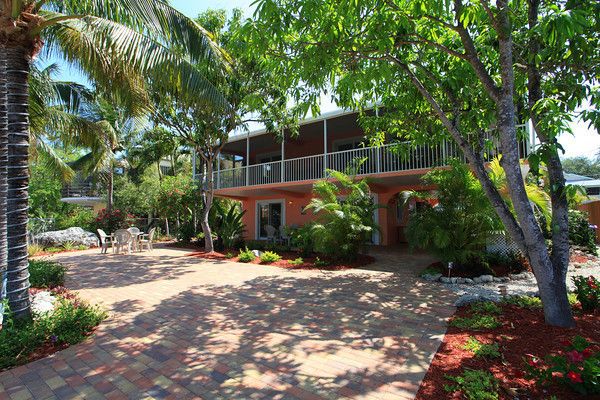
If you’ve spent any time house-hunting in the Florida Keys, you’ve probably noticed something right away: we love our downstairs spaces.
Porches, storage rooms, workshops, little bonus areas — you name it, we’ve built it. And because our islands are full of homes on stilts, the downstairs level often looks like the perfect spot for a guest suite, an office, or maybe even a rental.
But here’s the twist.
Not every downstairs space is legal living space, and even the legal ones can’t always be rented out on their own.
The good news? Once you understand how it works, it’s actually pretty simple. And knowing the rules helps you make smarter choices as a buyer or a seller — without killing any of the Keys fun. 😎
Let’s break it down in a friendly, easy way.
🌴 So What Is Legal Downstairs Living?
To call a downstairs area “legal living space,” it must meet a few conditions:
-
It has to be built above the required flood elevation
-
It needs proper building permits
-
It must meet current code requirements (think: windows, electric, plumbing, HVAC)
-
And it must be listed as living space on the Property Appraiser’s record
If a downstairs room checks all of those boxes, great! That’s a true, legal living area.
But here’s the catch: not all finished spaces you see down there meet these standards.
Some were built before modern flood rules (Pre-FIRM homes). Some were finished without permits. And some are meant to be storage or hobby areas — even when they look like adorable mini apartments.
🛠️ Three Types of Downstairs Spaces You’ll See in the Keys
Most homes you tour will fall into one of these categories:
1. Fully Permitted, Legal Living Space
These are rare gems. They’re allowed, they’re safe, and they add real value.
But they’re still part of one single-family home unless zoning says otherwise.
2. Legal, Permitted Storage or Accessory Space
Think workshops, craft rooms, fishing gear storage, or a place to keep your bike and paddleboard.
Some owners finish them nicely, add AC, or make them extra comfortable — and that’s fine! These are great bonus spaces.
But they’re not legal living areas.
3. Charming but Not Legal Living Areas (Pre-FIRM or Unpermitted)
These can look ready to move into, but they don’t meet today’s flood-safety rules.
People often use them casually, but they can’t be counted as square footage or advertised as living space.
The key is that downstairs rooms in our islands are not all created equal, and understanding which type you’re looking at helps avoid surprises later.
💸 And Now for the Big Myth… Renting the Downstairs!
This is where many homeowners and buyers get tripped up.
We’ve all heard the story:
“My neighbor rents their downstairs for $2,000 a month!”
“My friend’s cousin lives downstairs and pays half the mortgage!”
These stories travel fast — but they don’t tell the whole truth.
✔ Legal living space does not automatically mean you can rent it separately.
✔ A home can have two great levels, but that doesn’t make it a duplex.
✔ Most homes in the Keys are zoned single-family, even with legal space downstairs.
To rent a downstairs unit separately from the upstairs, you need:
-
A legal, permitted living area
-
AND the correct zoning for multi-family use
Without both of those, the property is still one home, and the downstairs cannot become a stand-alone rental unit.
This isn’t meant to spoil the fun — it’s meant to save future headaches. Many buyers assume the downstairs will pay the mortgage, only to learn later that the zoning doesn’t allow separate rentals. Knowing ahead of time keeps expectations realistic and leads to smoother transactions for everyone.
🏝️ So Why All the Rules?
Believe it or not, the rules are not designed to annoy homeowners. They exist because:
-
Downstairs areas can flood
-
Evacuation standards matter in a hurricane zone
-
Insurance depends on accurate building use
-
The county tries to prevent unregulated, unsafe rentals
Plus, maintaining the character and safety of our island neighborhoods helps protect property values, which benefits everyone.
🔍 Tips for Buyers: How to Check What’s What
Here’s what smart buyers do before falling in love with a downstairs space:
-
Look at the Property Appraiser’s website
-
Review the building permits
-
Check the elevation certificate
-
Confirm the zoning type
-
Ask your agent (that’s you!) to explain what’s legal vs. not
A quick check early in the process can tell you everything you need to know.
🐬 Tips for Sellers: Market It the Right Way
If you’re selling, you don’t have to hide your downstairs area — you just want to describe it accurately.
-
You can highlight storage rooms, workshops, hobby areas, and bonus space
-
You cannot advertise unpermitted areas as legal living space
-
And you shouldn’t promise buyers it can be rented unless zoning allows it
The good news is that well-done downstairs areas — even non-living ones — still attract buyers. People love flexible space for guests, gear, work, or just extra breathing room. Honest marketing helps avoid issues later.
🌞 Final Thoughts: Keys Living Done the Smart Way
Downstairs spaces are part of what makes Florida Keys homes so versatile and fun. They give us extra room for hobbies, storage, guests, and gear — all the things that go with our island lifestyle.
You don’t have to fear the rules. You just need to understand them.
When you know what’s legal, what’s not, and what zoning allows, you can buy with confidence and sell with clarity. And that’s the secret to stress-free homeownership in the Keys.
If you ever have a question about a downstairs space — whether you’re shopping, selling, or just curious — I’m always here to help you sort it out with a smile.


